
Eleocharis parvula aquarium Plant (Dwarf Hair Grass) – The Perfect Aquarium Carpet
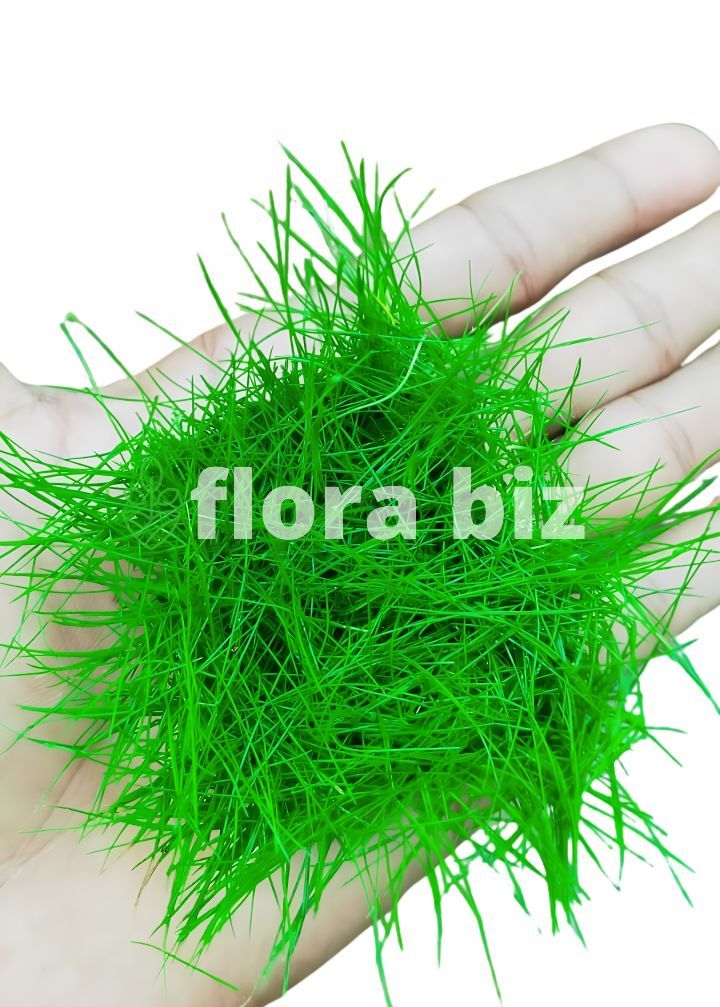
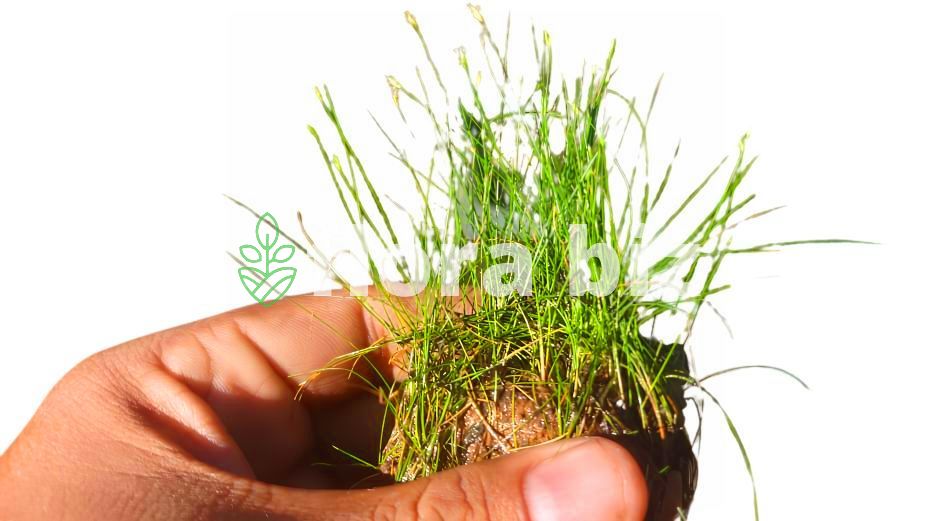
Eleocharis parvula aquarium Plant, widely known as Dwarf Hair Grass, is one of the most iconic foreground plants in the aquascaping hobby. With its thin, grass-like blades that form a dense emerald green carpet, it replicates the look of a natural meadow or lawn under water. Whether you are recreating a Dutch-style garden, a Nature Aquarium valley, or simply adding a touch of natural beauty to a community tank, Eleocharis parvula is the go-to carpet plant for aquarists around the world.
Appearance and Growth Habit
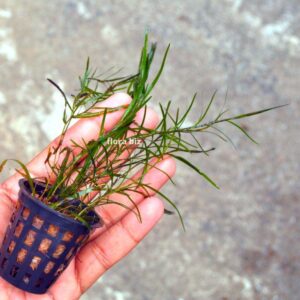
Eleocharis parvula produces thin, cylindrical, bright green shoots that typically reach 5–10 cm in height. Unlike its taller cousin Eleocharis acicularis, parvula stays compact and low, making it ideal for foreground and midground carpeting. As it grows, it spreads via horizontal runners, creating an interconnected mat of grass that covers the substrate. Under strong lighting and CO2, the carpet remains tight and lush; under lower light, blades may grow taller and sparser.
Care Requirements
Dwarf Hair Grass requires moderate to high lighting (at least 0.5 watts per litre, ideally more) to form a proper carpet. CO2 injection greatly improves growth speed and carpet density, though the plant can survive without it in a high-light environment. A nutrient-rich substrate is beneficial as the plant draws most of its nutrients through its roots. It prefers temperatures of 18–28°C and a pH range of 6.0–7.5. Regular dosing of iron and micronutrients keeps the blades vibrant and prevents yellowing.
Planting Technique
For best results, divide the plant into small portions (3–5 blades per bunch) and plant them 1–2 cm apart in the foreground. This density encourages rapid lateral spread and minimises gaps in the carpet. Planting in nutrient-rich aquasoil such as ADA Amazonia or similar brands gives the best results. Avoid planting in plain gravel without root tabs, as the plant will struggle without adequate root nutrition.
Aquascape Applications
Dwarf Hair Grass is most commonly used as a carpet in the foreground of aquascapes. It creates stunning visual depth and leads the viewer’s eye toward a focal point such as a rock formation or driftwood. It is also used in Iwagumi-style layouts as the sole plant species, creating a minimalist, zen-like aquascape. In Dutch aquascapes, it serves as a contrasting texture against broad-leaved stem plants.
Compatibility
Eleocharis parvula is safe for all freshwater fish and invertebrates. It is particularly popular in shrimp tanks, where the dense grass blades provide shelter and grazing surfaces. Avoid pairing with fish that dig or uproot substrate, such as goldfish or large cichlids.
Why Buy from FloraBiz?
FloraBiz grows Eleocharis parvula in controlled aquatic conditions at our Kerala farm, ensuring you receive healthy, pest-free plants with established root systems. Our plants arrive ready to plant with minimal transition time in your aquarium. For more information on aquarium plants visit Fishkeeping World and Aquatic Plant Central. Shop more aquatic plants from florabiz.in.
Frequently Asked Questions – Eleocharis Parvula
1. Can Eleocharis parvula carpet without CO2?
Yes, but growth will be slower and the carpet may be less dense. High lighting and regular liquid fertilisers can compensate for the absence of CO2, though results are best with injection.
2. How long does it take Eleocharis parvula to form a carpet?
Under optimal conditions (high light + CO2), a carpet can form within 4–6 weeks. Without CO2, it may take 8–12 weeks or longer.
3. Why is my Dwarf Hair Grass turning yellow?
Yellowing is usually caused by iron deficiency or insufficient lighting. Increase light intensity and dose with an iron-rich liquid fertiliser to restore vibrant green colouration.
4. Can I plant Eleocharis parvula in gravel?
It can survive in gravel with the use of root tabs, but aquasoil is strongly preferred. Nutrient-poor substrates will result in slow, weak growth.
5. Does Eleocharis parvula need trimming?
Yes. Regular trimming with scissors encourages lateral spread and keeps the carpet compact and tidy. Trim to about 2–3 cm height to stimulate runner production.
Reviews
There are no reviews yet.