
Duckweed Lemna Minor Aquarium Plant – The Humble Giant of Aquatic Plants
Duckweed (Lemna minor) is one of the most remarkable plants in the natural world. Despite being one of the smallest flowering plants on Earth — each frond measuring just 1–3 mm — it is extraordinarily powerful in its impact on aquatic ecosystems. In aquariums and ponds, Duckweed forms a continuous bright green blanket on the water surface that absorbs nutrients at a remarkable rate, acting as a natural biological filter. It has been a staple of fishkeeping for generations, prized for its ease of care, rapid growth, and versatility.
Appearance and Structure
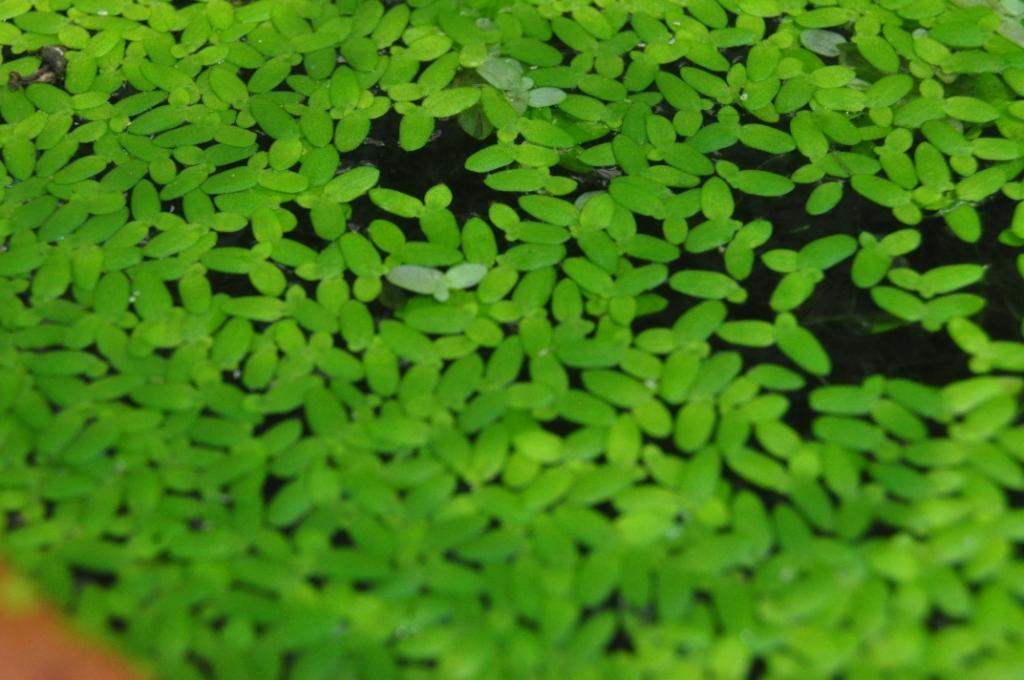
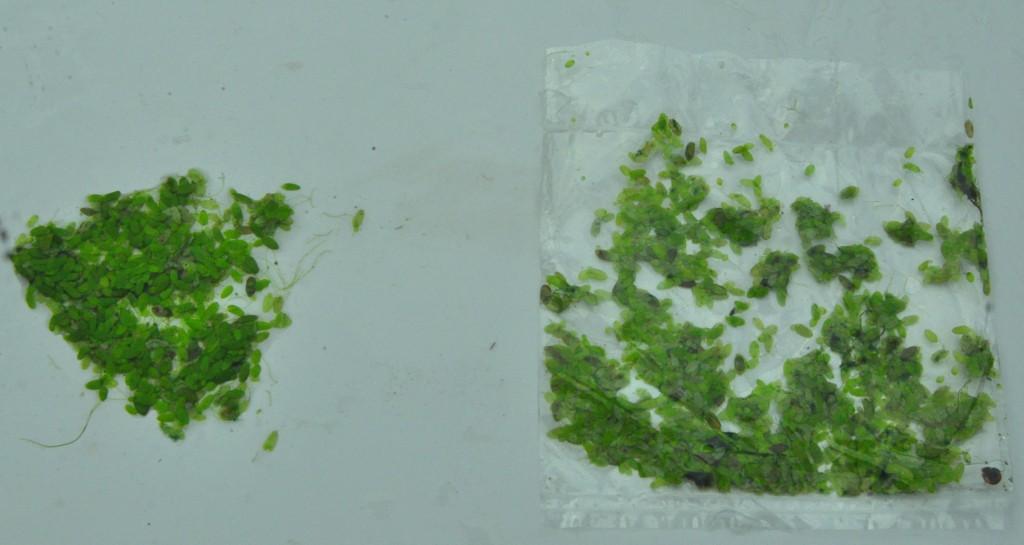
Duckweed consists of tiny, oval, flat fronds with a single dangling root below each frond. Fronds are typically 1–3 mm in diameter and bright, vivid green when grown under good light. Each frond can bud off daughter fronds at an extraordinary rate. Under optimal conditions, a colony of Duckweed can double its mass every 24–48 hours, making it one of the most productive plants in existence.
Care Requirements
Duckweed is essentially maintenance-free beyond controlling its growth. It needs no substrate, no CO2, and no special fertiliser — it absorbs everything it needs from the water column. Moderate to high lighting encourages fastest growth. It grows best in still or slow-moving water at 15–30°C with a pH of 5.0–9.0. Its tolerance for varied conditions makes it one of the most resilient aquatic plants available.
Benefits in the Aquarium
Duckweed is an exceptional natural water purifier. Its rapid growth absorbs large quantities of nitrates, phosphates, and ammonium, directly competing with algae for resources and helping maintain crystal-clear water. It also diffuses overhead light, providing shade for light-sensitive fish and plants. As a live food source, Duckweed is highly nutritious and relished by herbivorous fish such as goldfish, tilapia, and silver dollars. Many aquarists grow it as a supplemental live food crop.
Controlling Duckweed Growth
Duckweed’s greatest weakness is also its strength — it grows extremely fast. In a nutrient-rich tank, it can cover the entire surface within days, blocking light to submerged plants. Regular removal of excess duckweed is necessary. Use a fine net or cup to skim excess from the surface every few days. Some aquarists use a surface overflow or divide their tank into Duckweed-free and Duckweed zones.
Browse our complete floating plant collection and pond plant collection for more surface and pond plant options.
For more information visit Fishkeeping World and Aquatic Plant Central.
Frequently Asked Questions – Duckweed
1. Will Duckweed take over my aquarium?
Duckweed can spread very quickly in nutrient-rich water. In most aquariums, manual removal every few days is necessary to prevent it from covering the entire surface. Introducing it only into tanks where you can control it is advised.
2. Is Duckweed good for fish?
Yes. Duckweed is a nutritious live food for many herbivorous fish. It is also beneficial as a shade provider and stress reducer for fish that prefer dimmer surface light. Goldfish, guppies, and mollies often eat Duckweed readily.
3. Does Duckweed need fertiliser?
No. In a fish aquarium, Duckweed absorbs all the nutrients it needs from fish waste. In low-stocking tanks or aquariums with very little organic input, a small amount of liquid fertiliser can boost growth.
4. Can Duckweed survive in cold water?
Yes. Duckweed is remarkably cold-tolerant and can survive in water temperatures as low as 5°C, making it suitable for unheated tanks, outdoor ponds, and water features in cool climates.
5. Is Duckweed safe for shrimp?
Absolutely. Duckweed is perfectly safe for all freshwater shrimp. Shrimp may nibble on the roots and fronds, which is completely harmless to both the plant and the shrimp.


Reviews
There are no reviews yet.